Hanoi brings together centuries of history, culture and everyday city life, with attractions ranging from ancient temples and colonial landmarks to museums, lakes and lively neighbourhoods. The places below highlight some of the city’s most important sights and can be combined into practical sightseeing routes depending on where you are staying and how much time you have.
Hanoi Old Quarter is the historic commercial core of the city, traditionally associated with the famous guild streets or “36 streets”. It remains one of the best areas for exploring Hanoi’s tube houses, traditional shopfronts, temples, local food and everyday street life. The area connects naturally with Hoan Kiem Lake and can easily form the core of a half-day walking itinerary.
Hoan Kiem Lake is one of Hanoi’s main civic and cultural landmarks, but it is also an important part of everyday local life. The lakeside is particularly active in the early morning and around sunset, when residents come for exercise, walking and socialising. It is also a popular place for couples to take an evening stroll, sit by the water and spend time together in the city centre. Around the lake, visitors will find plenty of local food spots, cafés, dessert shops and small restaurants, especially along the streets connecting Hoan Kiem Lake with the Old Quarter.
The Vietnam Military History Museum presents Vietnam’s military history through a large collection of historical documents, photographs, artefacts and military equipment. Its outdoor displays include notable vehicles such as the T-54B tanks No. 843 and 985, T-34 and PT-76 tanks, and an M48 Patton, alongside aircraft, artillery and other military equipment. The T-54B No. 843 is particularly significant as one of the two tanks that entered the grounds of the Independence Palace on 30 April 1975 and is recognised as a National Treasure.
X Space Immersive offers a technology-driven approach to art and entertainment, using large-scale projections, digital effects, sound, and interactive elements to create immersive environments. Rather than viewing artworks in a traditional gallery setting, visitors move through visual installations that surround them with changing imagery and sound. The experience offers a modern alternative to Hanoi’s historic attractions and can be a good addition to an itinerary focused on the city’s contemporary cultural and entertainment scene.
Lotte World Aquarium Hanoi is a modern indoor attraction featuring a variety of marine life across themed exhibition areas. Visitors can see species such as sharks, rays, penguins and other aquatic animals while learning about marine ecosystems through interactive displays. Located within Lotte Mall West Lake Hanoi, the aquarium is also easy to combine with shopping, dining and other entertainment options in the same complex. It is a convenient choice for families and visitors looking for an indoor activity in Hanoi.
Ngoc Son Temple is located on a small island in Hoan Kiem Lake and is reached across the distinctive red The Huc Bridge. The complex includes the Pen Tower, Ink Slab, temple gates, and several worship halls, and is closely associated with General Tran Hung Dao and Hanoi’s scholarly traditions. It is one of the city’s most important spiritual and cultural landmarks, combining traditional Vietnamese temple architecture with symbols of learning, literature, and national history.
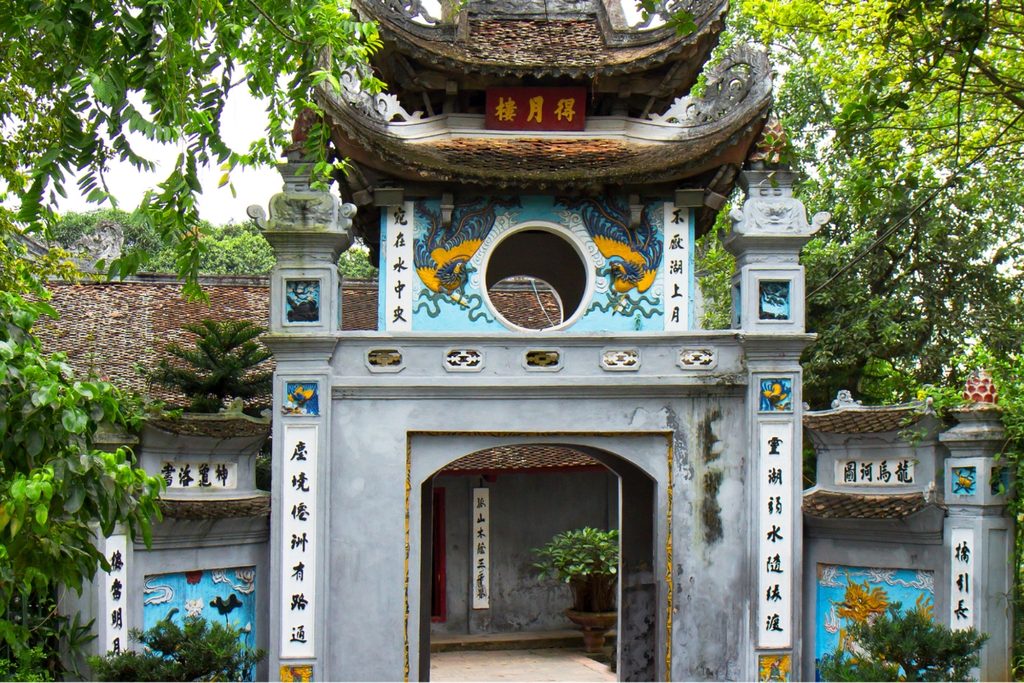
Founded in 1070, the Temple of Literature was established in honour of Confucius, while the Imperial Academy, Quốc Tử Giám, was founded there in 1076. The complex is one of Hanoi’s most significant historic and educational landmarks, with landscaped courtyards, traditional architecture and the well-known stone stelae commemorating successful scholars.
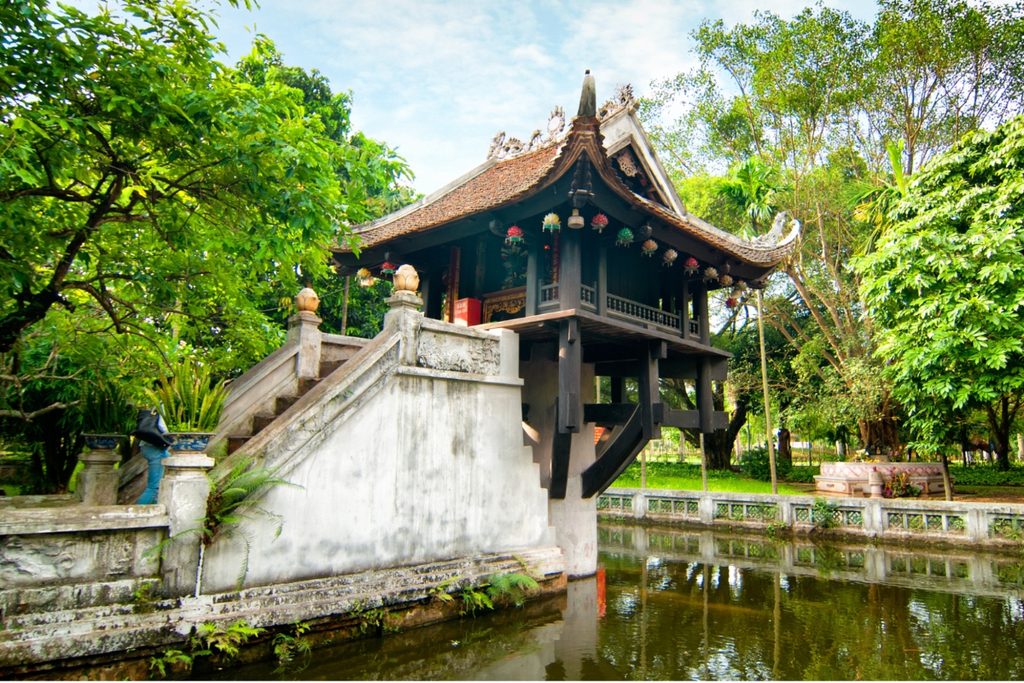
One Pillar Pagoda is one of Hanoi’s most recognisable historic landmarks, known for its unique lotus-shaped design rising above a small pond. Originally built in the 11th century under the Ly Dynasty, the pagoda has been rebuilt several times and remains an important symbol of Vietnamese architecture and Buddhist culture. Its compact setting makes it a worthwhile stop for visitors exploring Hanoi’s historic sites, especially alongside the nearby Ho Chi Minh Mausoleum and surrounding Ba Dinh attractions.
The Ho Chi Minh Mausoleum stands on Ba Dinh Square, where President Ho Chi Minh read Vietnam’s Declaration of Independence in 1945. Visitors enter the mausoleum in a controlled procession to view his preserved body, so the actual time inside is relatively short, although queues can considerably extend the visit. Modest dress is required, and photography is not permitted inside. The surrounding presidential complex makes it easy to combine the mausoleum with several nearby historical landmarks.
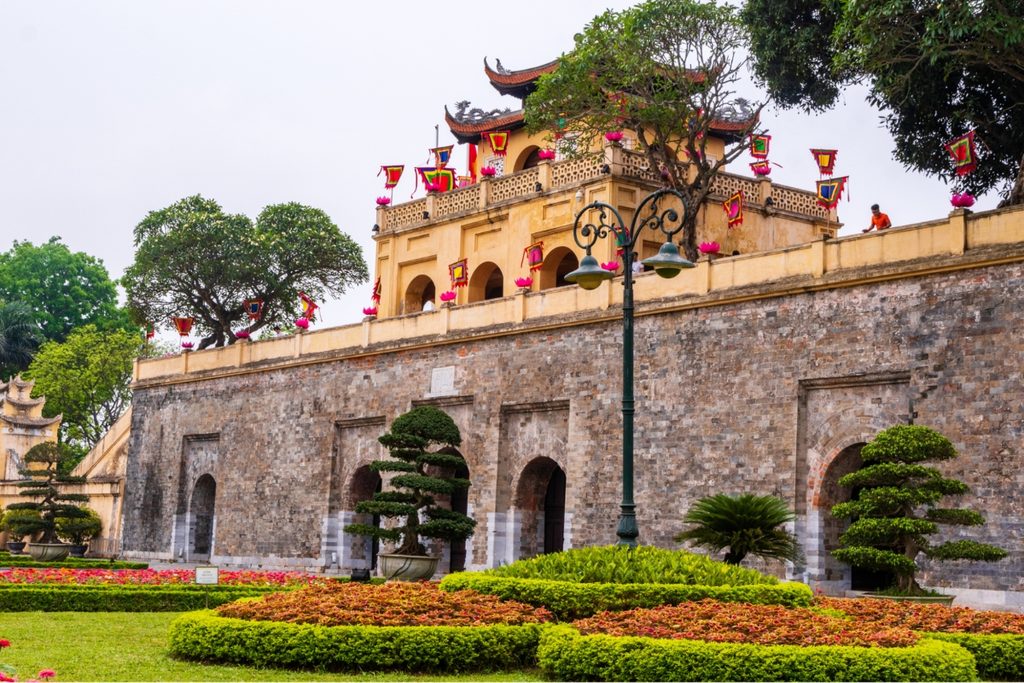
The Imperial Citadel of Thang Long is a UNESCO World Heritage Site representing more than a millennium of political and royal history in Hanoi. Visitors can explore archaeological remains, historic gates, the foundations of Kinh Thien Palace, underground military structures, and other layers reflecting successive periods of Vietnamese history. The site is fairly extensive, so allowing at least 90 minutes gives enough time to explore the main monuments rather than treating it as a quick photo stop. The official heritage centre currently lists daily opening hours from 8:00 AM to 5:00 PM and an entrance fee of VND 100,000.
St. Joseph’s Cathedral is Hanoi’s principal Catholic cathedral and one of the most recognisable landmarks in the Old Quarter area. Its neo-Gothic façade and twin bell towers contrast strongly with the surrounding streets of central Hanoi, while the small square in front has become a popular meeting point surrounded by cafés and local eateries. Because it remains an active cathedral, visitors should avoid disrupting Mass or religious services and dress respectfully when entering.
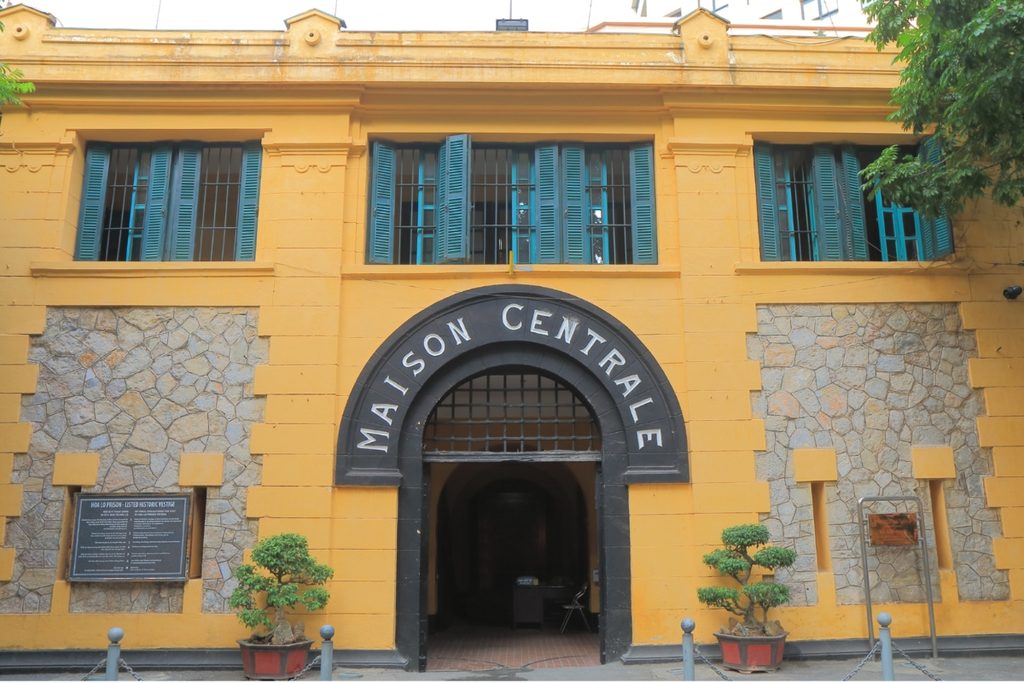
Hoa Lo Prison was originally built by the French colonial administration and later became internationally known through its use during the Vietnam War. Today, the surviving complex operates as a historical museum, with exhibitions covering the prison’s colonial period, Vietnamese political prisoners, and later wartime history. The museum contains original structural elements, documents, photographs, and reconstructed spaces, so it generally warrants more time than a quick landmark visit.
West Lake is Hanoi’s largest natural lake and a popular spot for slowing down away from the busier city centre. The lakeside is especially lively in the early morning and late afternoon, with locals exercising, cycling and enjoying the open views. For couples, it is a relaxed place to take a walk, watch the sunset or stop at one of the many cafés and restaurants around the lake. The area is also home to Tran Quoc Pagoda, one of Hanoi’s best-known Buddhist landmarks, as well as a range of dining and nightlife options along Thanh Nien and surrounding streets.
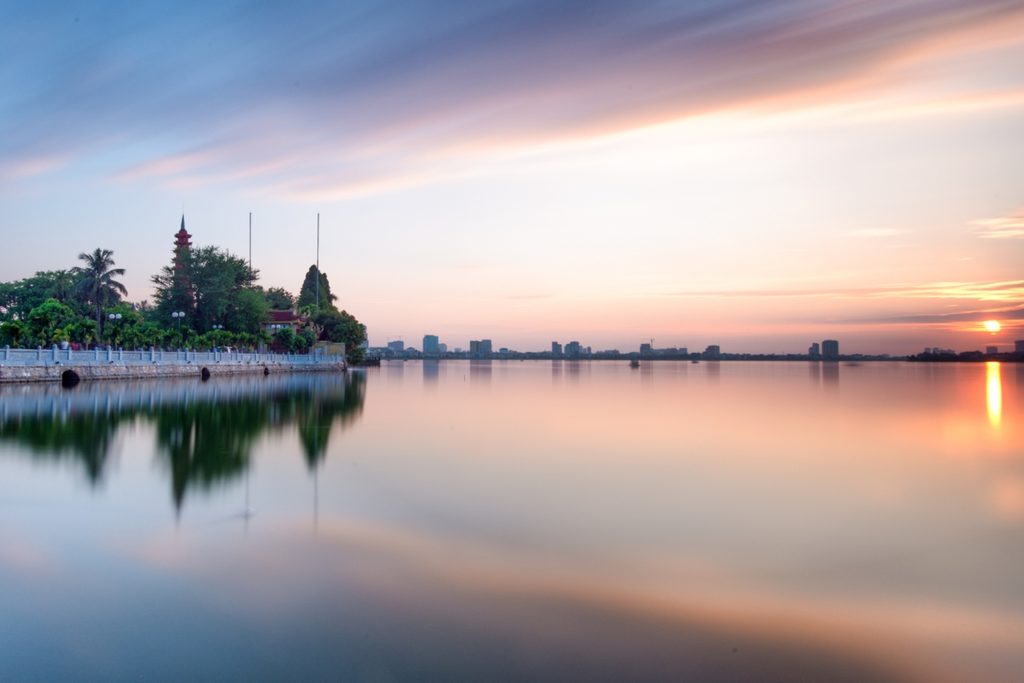
Located on a small peninsula along West Lake, Tran Quoc Pagoda is widely regarded as Hanoi’s oldest Buddhist pagoda, with a history extending back more than 1,500 years. The complex is known for its distinctive multi-storey red stupa, Buddhist shrines, Bodhi tree, and peaceful lakeside setting. Its position between West Lake and Truc Bach Lake also makes it easy to combine with a longer walk or sightseeing route around the Tay Ho area.
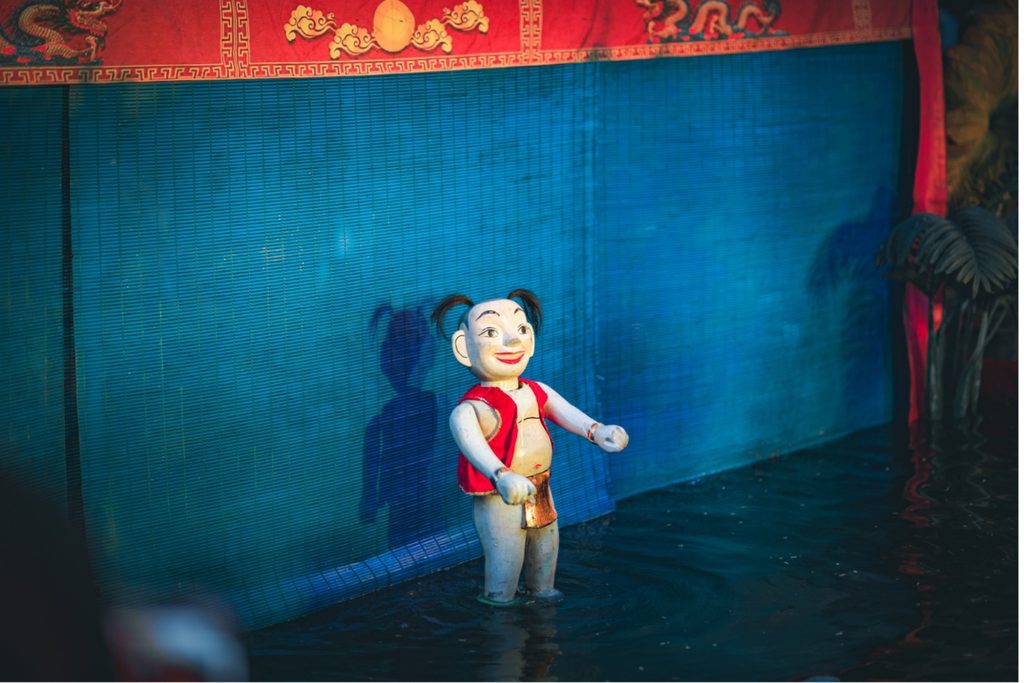
Thang Long Water Puppet Theatre is one of the most accessible places in Hanoi to experience múa rối nước, the traditional Vietnamese art of water puppetry. Performances combine lacquered wooden puppets moving across a water stage with traditional music, singing and stories inspired by rural life, folklore and Vietnamese legends. Each show lasts roughly 50 minutes, making it easy to combine with an evening walk around Hoan Kiem Lake or dinner in the Old Quarter.
The Vietnam Museum of Ethnology introduces the cultures, traditions, clothing, crafts, architecture and everyday life of Vietnam’s 54 recognised ethnic groups. In addition to indoor exhibitions, the museum includes a large outdoor architectural area with reconstructed traditional houses and communal structures from different communities.
The Vietnamese Women’s Museum explores the roles and experiences of women across Vietnamese family life, history, work, fashion and cultural traditions. Its permanent exhibitions cover themes such as marriage and motherhood, women in wartime, traditional dress and the customs of different ethnic communities. Because the museum combines objects, photographs, personal stories and multimedia exhibits, it is worth allowing at least 90 minutes rather than treating it as a quick stop.
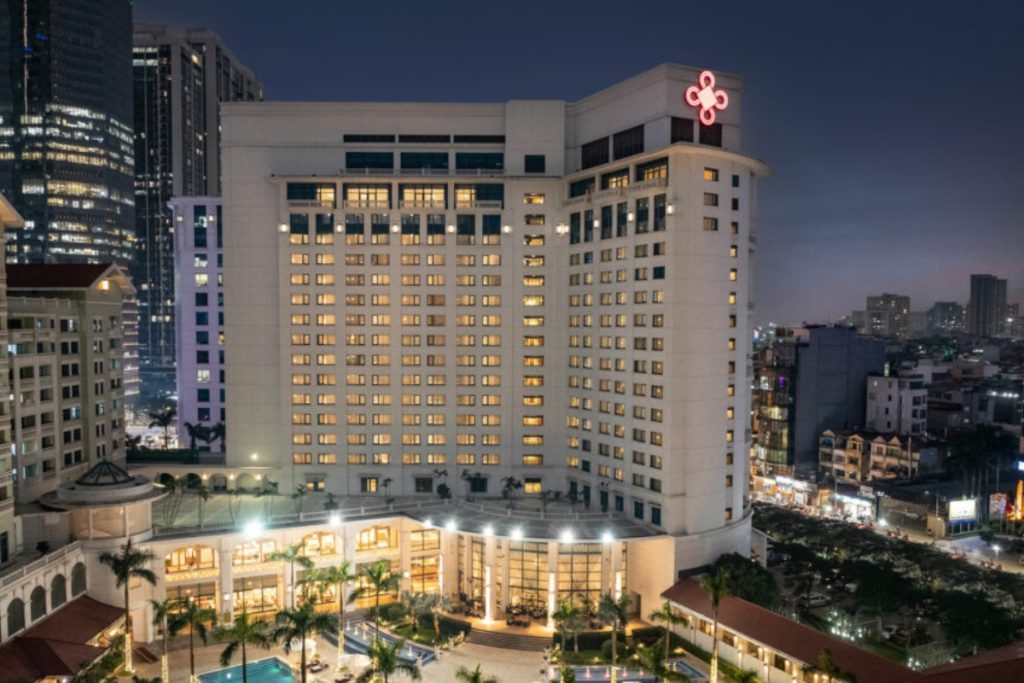
With Hanoi’s main attractions spread across the Old Quarter, West Lake, Hoan Kiem and other wards, staying in a location with convenient access to different parts of the city can make each sightseeing day easier to plan. Hanoi Daewoo Hotel, located at 360 Kim Ma in Giang Vo, offers a practical base for exploring Hanoi.
Hanoi Daewoo Hotel offers a range of facilities and services for guests exploring Hanoi, including:
Book your stay directly with Hanoi Daewoo Hotel today and get ready to discover the timeless charm, culture and history of Hanoi.
For first-time visitors, the main highlights include Hanoi Old Quarter, Hoan Kiem Lake, Ngoc Son Temple, Temple of Literature, Ho Chi Minh Mausoleum, Imperial Citadel of Thang Long and Hoa Lo Prison Relic.
Around two to three days is enough to cover the major attractions at a comfortable pace. One day can cover central highlights, while additional days allow more time for museums, West Lake, and attractions outside the Old Quarter.
Many central attractions can be explored on foot, especially around Hoan Kiem Lake and the Old Quarter. Attractions in Ba Dinh, Tay Ho and Cau Giay are more spread out and are easier to reach by taxi or ride-hailing service.
Most attractions are relatively affordable, with many temples, lakes and public areas free to visit. Museums and heritage sites generally charge modest entrance fees.
Wear respectful clothing that covers the shoulders and knees. Avoid overly revealing clothing, particularly when entering temples, pagodas, churches, and the Ho Chi Minh Mausoleum.