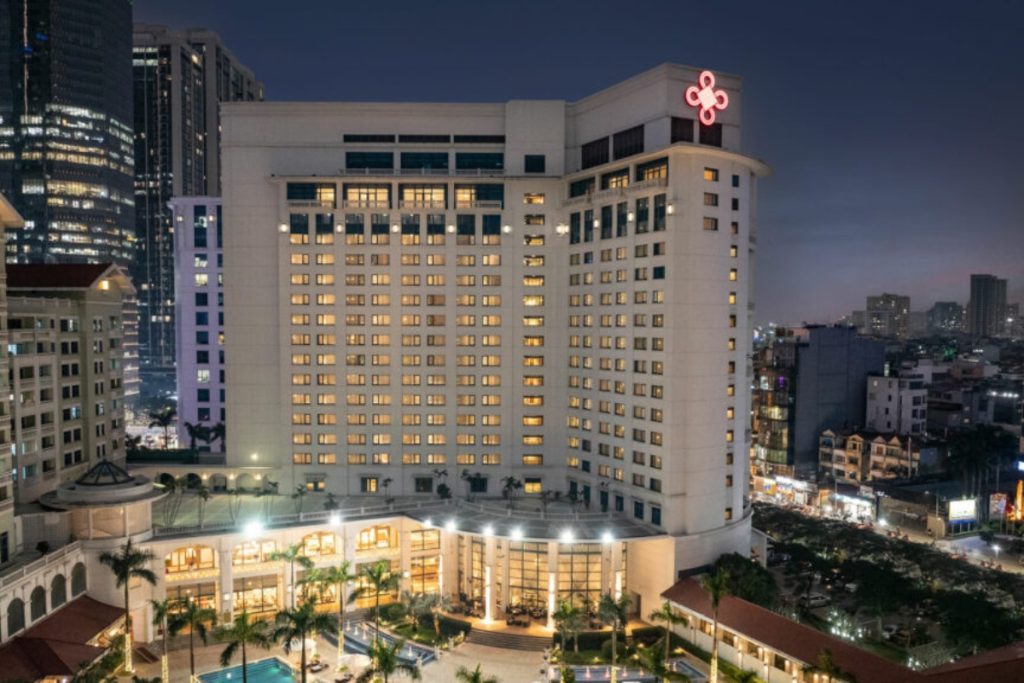
Vietnam’s National Day on September 2 puts Hanoi at the centre of the holiday more than any other city, since Ba Dinh Square is where Ho Chi Minh read the Declaration of Independence in 1945. Staying at Hanoi Daewoo Hotel, around 5 to 10 minutes by car from Ba Dinh Square, gives visitors a convenient base for exploring the city’s key National Day landmark. A well-planned trip combines the flag ceremony and independence history with time to explore these neighbourhoods, plus enough flexibility to still feel like a holiday rather than a schedule.
This guide covers when the 2026 holiday falls, what is confirmed for September 2 in Hanoi, the weather to expect, the best things to do, where to eat, a sample three-day itinerary, and where to stay close to Ba Dinh.
| Plan Ahead | What To Expect |
| Holiday dates | 29 Aug-2 Sep 2026 for public-sector employees. Private-sector holidays include 2 Sep plus either 1 or 3 Sep, depending on the employer. |
| Typical weather | Warm and humid at around 31–32°C by day and 24–25°C at night, with possible short afternoon thunderstorms. |
| Key date | 2 September – Vietnam National Day, with Ba Dinh Square at the centre of the capital’s commemorative atmosphere. |
| What to expect | The 6 AM flag-raising ceremony at Ba Dinh Square. Fireworks and additional 2026 programmes are expected to be confirmed closer to the holiday. |
| Recommended Stay | Hanoi Daewoo Hotel: around 5–10 minutes by car from Ba Dinh Square, with spacious rooms and suites, a 65-metre outdoor pool, six dining venues and convenient access to key National Day attractions. |
Vietnam splits the National Day holiday into two separate schedules, since public and private sector workers do not share identical dates. Public sector employees receive a five-day break running from Saturday the 29th of August through Wednesday the 2nd of September, built from the 1st and 2nd of September as the official holiday, both surrounding weekend days, and one working day swapped from Monday the 31st of August to a compensatory Saturday. Private sector employees receive September 2 plus either September 1 or September 3, with the exact choice set by each employer and announced at least 30 days in advance.
Confirm your own days off before booking non-refundable transport, since the two schedules only overlap on September 1 and 2. Two days suit a focused visit to Ba Dinh and the Old Quarter, while three or more days allow time for the Temple of Literature and West Lake as well.
Hanoi holds particular significance on National Day as the city where Ho Chi Minh read the Declaration of Independence at Ba Dinh Square in 1945. Celebrations centre on the Ba Dinh area, while additional cultural programmes and fireworks arrangements are confirmed by city authorities closer to the holiday each year.
Hanoi in late August and early September still sits at the tail end of the wet season, with average highs around 31 to 32 degrees during the day and around 24 to 25 degrees at night. Humidity stays high, close to 79 per cent, and the period sees roughly 14 rainy days with around 220 to 250 mm of rainfall, often arriving as a short afternoon thunderstorm rather than a full day of rain.
Mornings tend to be the clearer, cooler window for outdoor plans such as the flag ceremony or a walk around Hoan Kiem Lake. Pack light, breathable clothing, sun protection, a compact rain layer, and modest dress for the mausoleum complex, Temple of Literature, and Tran Quoc Pagoda, where shoulders and knees need to stay covered.
A good holiday route mixes Ba Dinh’s independence history with one cultural landmark and one unplanned evening, chosen around timing and the latest event announcements rather than repeating the same route each day.
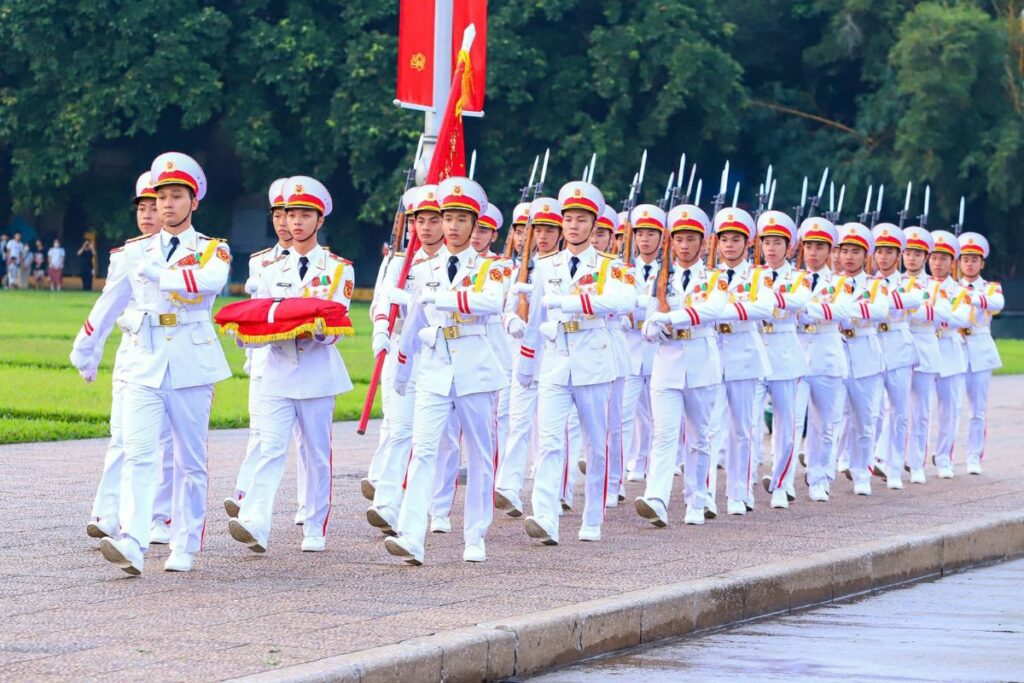
Ba Dinh Square is where Ho Chi Minh read Vietnam’s Declaration of Independence on September 2, 1945, and the flag-raising ceremony held there each morning remains an important national tradition. The ceremony takes place at around 6 AM, though the exact timing and arrangements for September 2, 2026 have not yet been announced. Visitors planning to attend should check the latest official information closer to the holiday and arrive early for a good view. The square’s open layout gives visitors space to observe the ceremony, while the surrounding area offers views of the Ho Chi Minh Mausoleum and other landmarks central to the day’s history.
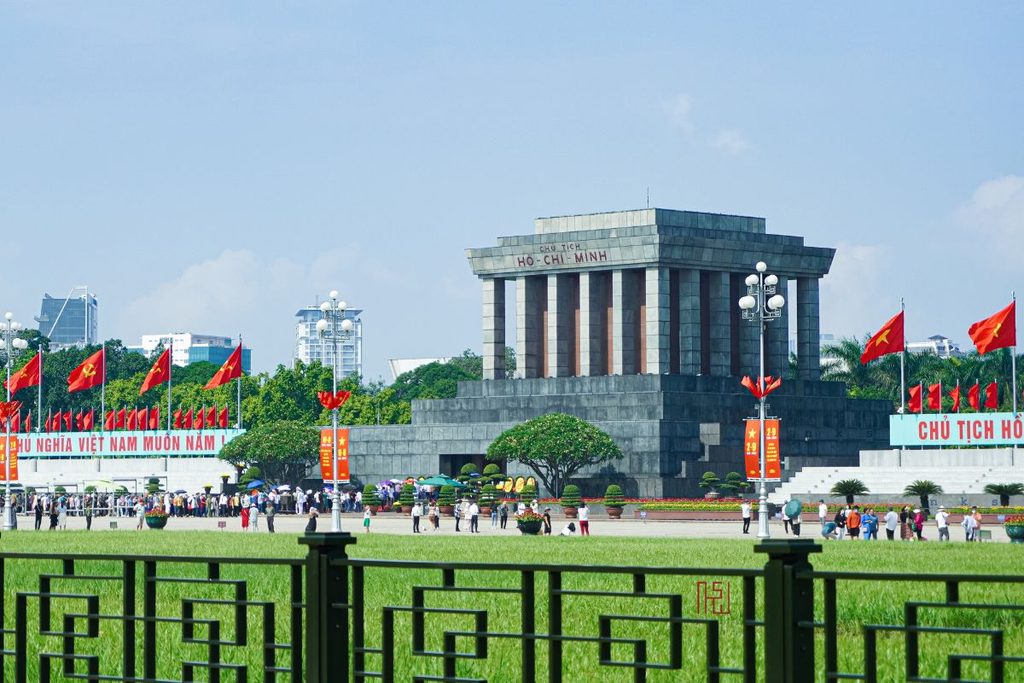
The mausoleum complex groups several sites that reward a slow morning: the granite mausoleum itself, Ho Chi Minh’s simple stilt house, the Presidential Palace grounds, the Ho Chi Minh Museum, and the wooden One Pillar Pagoda, built to resemble a lotus rising from water. In 2026, the Ho Chi Minh Mausoleum will close for annual maintenance from 4 September to 2 November and reopen to visitors on 3 November, so anyone hoping to enter the mausoleum should plan their visit before 4 September. Regular visits are held on Tuesday, Wednesday, Thursday, Saturday, and Sunday mornings, while the mausoleum is normally closed to visitors on Mondays and Fridays. International visitors pay around 40,000 VND per ticket for the Ho Chi Minh Museum and the Stilt House separately; security screening applies throughout, and shoulders and knees need to stay covered.
Built in 1070 as Vietnam’s first university, the Temple of Literature spreads across five courtyards anchored by 82 stone stelae resting on carved turtles, each recording the names of scholars who passed the royal exams. The Khue Van Pavilion at the temple’s centre appears on the 100,000 VND banknote, worth pointing out to anyone walking through with cash in hand. Entry costs 70,000 VND for adults and 35,000 VND for students, and the grounds stay open through National Day itself, since the temple does not observe the holiday closures that affect government offices. A full visit takes about an hour, longer if the courtyards are busy.
Hoan Kiem Lake sits at the meeting point of Hanoi Old Quarter and French Quarter, and during National Day the surrounding streets fill with national flags, banners, and families out for an evening walk. Ngoc Son Temple, reached by The Huc Bridge, makes a natural midpoint stop, and the 36 streets of the Old Quarter Hanoi beyond it each still specialise loosely in the trade they were named for centuries ago. No ticket and no fixed hours make this the least planned stop on this list by design, close enough to most central hotels to absorb a change of plan easily if an event elsewhere runs long or the weather turns.
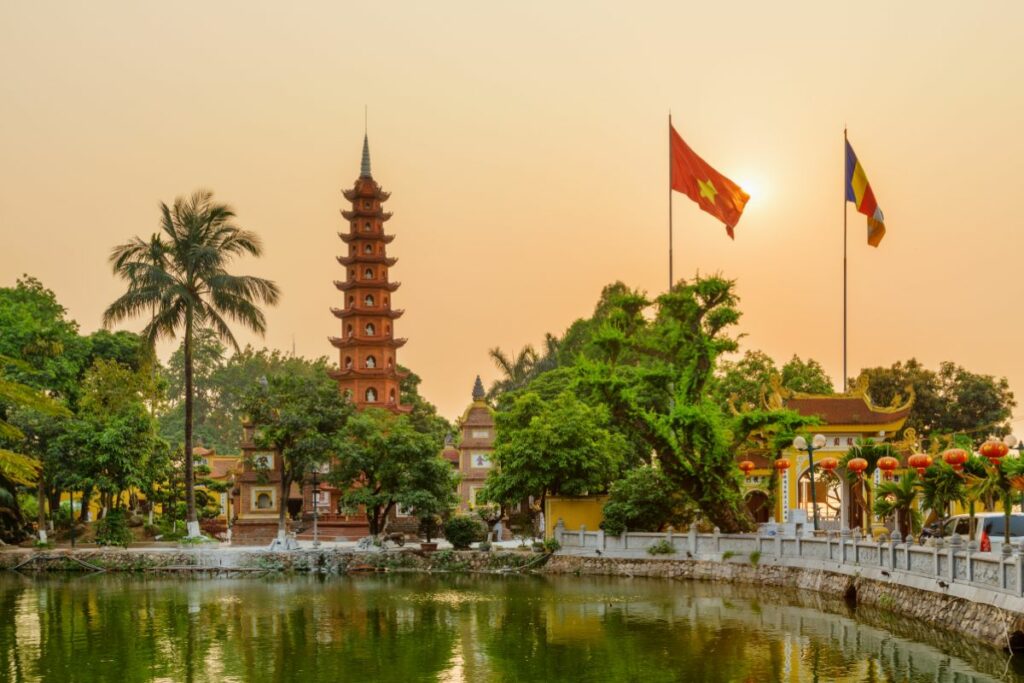
Tran Quoc Pagoda has stood on a small islet in West Lake for more than 1,500 years, making it the oldest Buddhist temple in Hanoi, and its 11-story Lotus Tower and centuries-old Bodhi tree, grown from a cutting gifted by India in 1959, reward the short walk out to the causeway. Entry is free, though the pagoda closes for a lunch break between roughly 11:30 AM and 1:30 PM. Thanh Nien Road, the causeway connecting West Lake to Truc Bach Lake, makes a pleasant walk in either direction, and the wider Tay Ho area around it offers a slower pace than the Old Quarter for anyone who wants one unhurried stop on the itinerary.
Hanoi eating moves easily from a bowl of pho before a morning at Ba Dinh Square to a shared grilled fish table at the end of the day. The four dishes below cover different meal times and price points, each with a specific address worth booking around.
Pho is one of Hanoi’s most iconic dishes, made with flat rice noodles served in a clear, aromatic broth with thinly sliced beef and fresh garnishes. Northern-style pho is typically lighter and more delicate in flavour, with the broth seasoned to highlight the natural sweetness of beef, bones, and spices such as star anise and cinnamon. It is commonly enjoyed for breakfast or lunch and is often served with lime, chilli, and herbs on the side. For a well-regarded introduction to the dish, the original Phở 10 Lý Quốc Sư branch in Hoan Kiem has been recognised by the MICHELIN Guide for three consecutive editions since the guide launched in Vietnam in 2023 and currently holds a Bib Gourmand distinction.
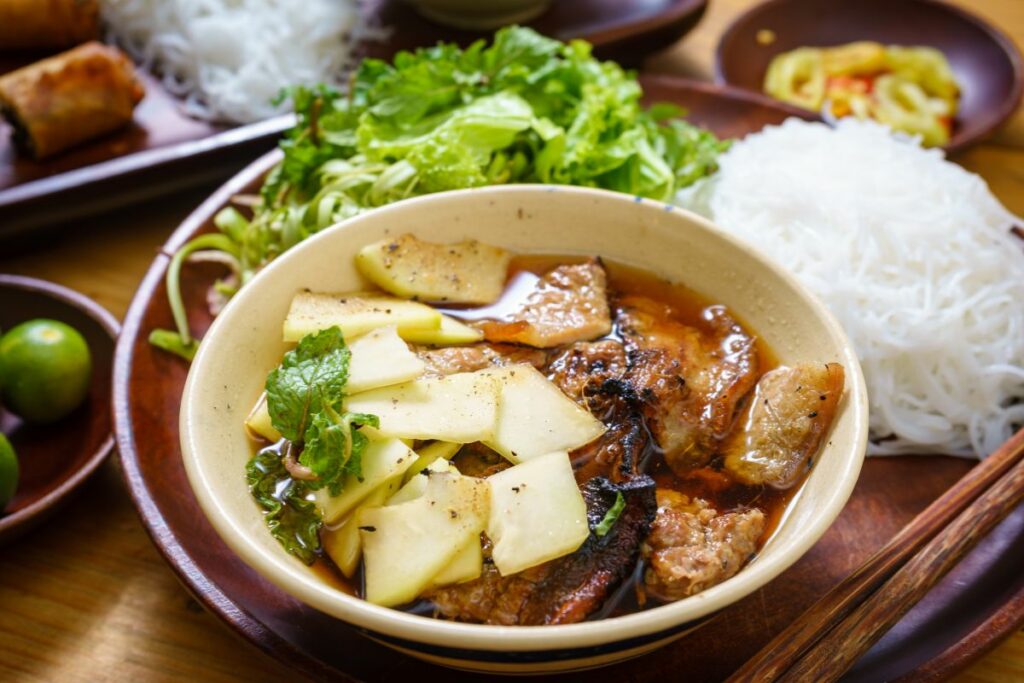
Bun cha is a classic Hanoi dish featuring charcoal-grilled pork patties and slices of pork belly served with rice vermicelli, fresh herbs, and a light sweet-and-sour fish sauce broth. The smoky pork, refreshing herbs, and tangy dipping sauce create a balanced combination of savoury, sweet, and fresh flavours. It is commonly enjoyed as a lunch dish and is often served with crispy crab spring rolls on the side.
Cha ca la vong is a well-known Hanoi specialty made with fish marinated in turmeric and galangal, then grilled and pan-fried with fresh dill and spring onions. It is typically served hot with rice vermicelli, roasted peanuts, herbs, and a savoury dipping sauce. The combination of fragrant herbs, tender fish, and rich seasoning gives the dish a distinctive flavour that reflects the culinary character of Hanoi.
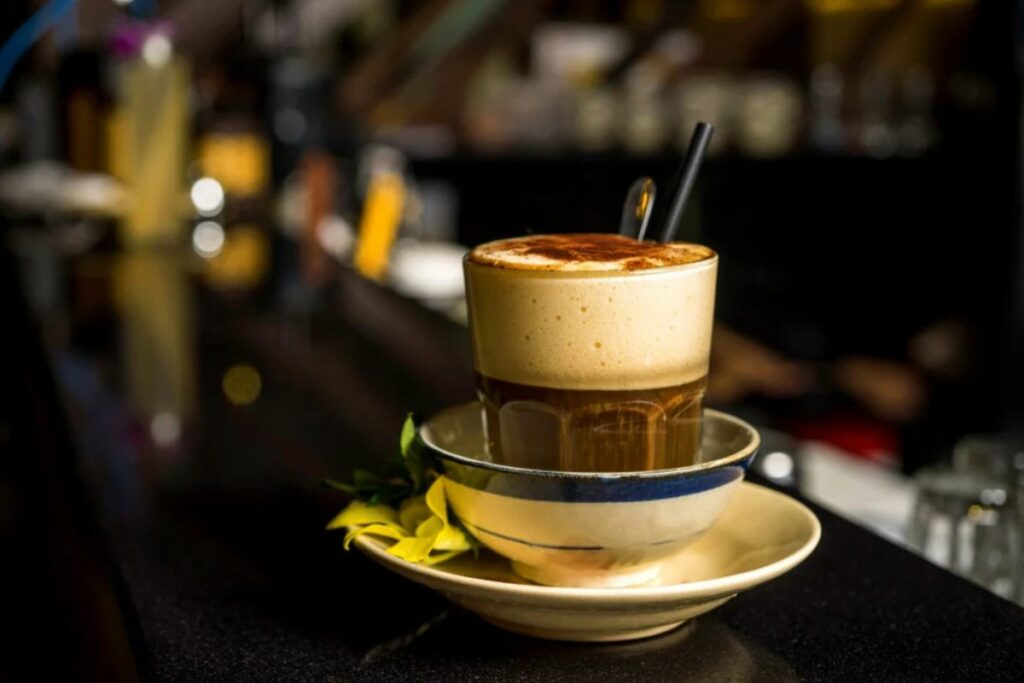
Egg coffee, or ca phe trung, is a distinctive Hanoi specialty made by whipping egg yolk with condensed milk and sugar into a thick, creamy foam, then serving it over strong Vietnamese coffee. The result is rich and smooth, balancing the bitterness of coffee with a custard-like sweetness. Café Giảng, founded in 1946, is widely regarded as the birthplace of Hanoi’s egg coffee and has remained closely connected to the city’s coffee culture for generations. Today, the drink can be enjoyed hot or iced, though the hot version is especially popular for its warm, velvety texture.
Giving each day a clear focus makes the holiday feel complete, rather than trying to fit every spot on this list into three days.
Day 1: Ba Dinh And Independence History
Start at Ba Dinh Square before 6 AM for the flag raising if the goal is the full ceremony, then move through the mausoleum complex grounds, the stilt house, and the One Pillar Pagoda while the morning stays cool, confirming the mausoleum’s interior status ahead of time given its maintenance closure window. Return to the hotel through the hottest part of the day, then head toward Hoan Kiem Lake in the evening for dinner and the holiday atmosphere along the lakeside streets.
Day 2: Temple Of Literature And West Lake
Spend the morning at the Temple of Literature before the courtyards fill, then take a taxi or Grab out to West Lake for Tran Quoc Pagoda and a walk along Thanh Nien Road. Keep the late afternoon open, since this is the window when newly announced National Day programming, road closures, or a fireworks confirmation are most likely to appear. If fireworks are confirmed for West Lake, staying in the area through the evening avoids a second crossing of the city after dark.
Day 3: A Slow Morning Before Departure
Walk the Old Quarter before breakfast while the streets are quieter, then spend the remaining morning on last-minute shopping or a final coffee at Cafe Giang. Build in extra time for holiday traffic on the way to Noi Bai International Airport or the railway station, since National Day traffic in Hanoi runs heavier than a typical day, particularly on the roads around Ba Dinh.
Extending To Four Or Five Days
Use a fourth day for a day trip outside the city; Ha Long Bay, Ninh Binh, and Duong Lam ancient village are all reachable in a single day from Hanoi. Keep a fifth day unstructured: a hotel pool, a spa treatment, or one more slow walk, rather than adding a further excursion simply because time remains.
Hanoi Daewoo Hotel is located on Kim Ma Street in Giang Vo Ward, close enough to Ba Dinh Square, the mausoleum complex, and the Temple of Literature to build the itinerary above around one base, while sitting just outside the tightest security perimeter that forms directly around the square on the morning of September 2.
What we offer:
Book your stay at Hanoi Daewoo Hotel today and secure a convenient base before September 2 gets busy.
Rates and any advance purchase or extended stay promotions shift by travel date, so confirm current terms before booking.